
Design and research studio / Sydney
When should your AI act, ask or stay quiet?
from 10 weeks
For product and R&D teams
We find out with real people before you ship. Aerithic prototypes AI that acts without being asked, tests it in real rooms, and tells you what to do next.

The threshold, shown as an illustration, not data
Ask
It checks first. People stay in control, and they notice every time.
Services
Start at the stage you are at.

Frame
From A$7,500
Where should our AI act on its own, and where should it ask?

Test
From A$24,000
How much autonomy will our users trust, and where will they take control back?

Build
From A$100,000
Can we see it working in real rooms, with real hardware?
Signals / what moved recently
21 October 2026
Material
A touchscreen sleeve that survives the washing machine
NUS researchers publish a woven display of 54 light-emitting fibres: 96 by 54 pixels at 30 fps, 50 detergent washes and 1,000 bends.
Proof that cloth can carry a display. Low resolution, prototype only, and it still points the wrong way if all it does is show video.
30 September 2026
Civic and consent
The OAIC publishes AI transparency fact sheets
Guidance ahead of the 10 December 2026 start of Australia’s automated decision-making transparency obligations (APP 1.7 to 1.9).
Notice has to be specific and written down before the system runs. Ambient systems need a consent surface that works in a room.
23 September 2026
Device and IO
Meta Ray-Ban Display goes international, with an agent that sees what you see
On sale in the UK and Canada from 23 September and in France, Italy and Germany from 13 October. Muse acts on what the wearer is looking at.
The post-screen era arrives on faces. The announcement covers price, styles and the agent, and says nothing we could find about bystanders.
28 August 2026
Civic and consent
Harvard JOLT Digest: agentic AI deserves a presumption of authorisation
Zefang Wu argues software agents acting for a user should be presumed authorised, with the Perplexity cases as the live test.
We take no view on the law. The design question is who said the agent could do that, and how anyone nearby would know.

Field notes

28 October 2026 / 6 min / Material
The Surface Is the Interface
A washable touchscreen sleeve, a glasses-free depth panel and a piece of maple that thinks. Everything is becoming a surface, and the industry cannot decide whether surfaces should show or hide.

26 October 2026 / 7 min / Civic and consent
Four Milliseconds of Face
An Australian tribunal found that holding a face for about four milliseconds can count as collecting it. In December, automated decisions need to be explained too. Consent is about to become a design problem.

22 October 2026 / 6 min / Device and IO
The Form Factor Is Eyewear
Meta is putting the post-screen era on your face. OpenAI and Jony Ive are betting on your pocket. Neither is ambient, and both leave the bystander out of the design.
Projects
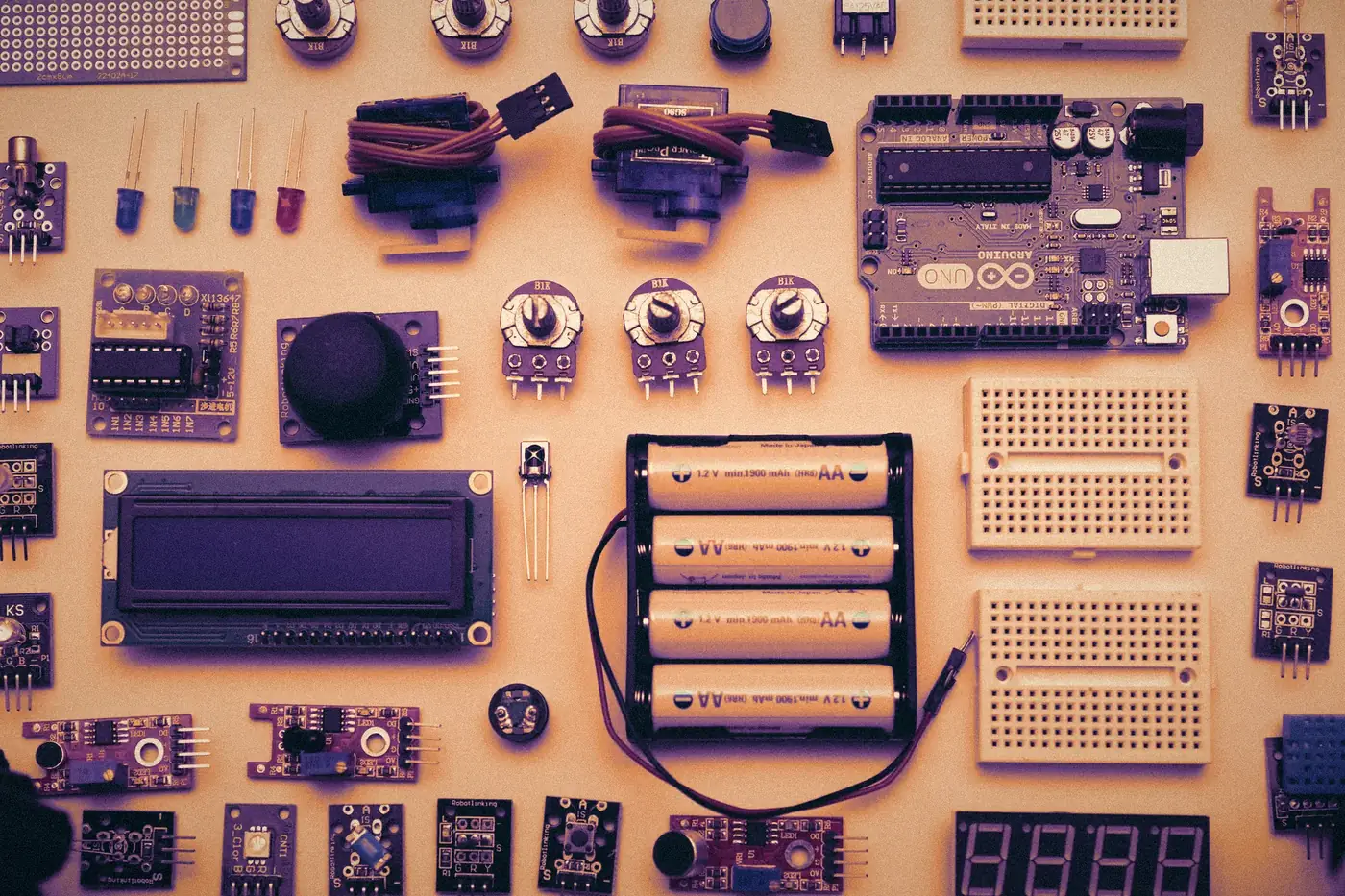
Threshold Monitor
An instrument for finding the moment a quiet system becomes a noticed one. Research prototype.
2026 / Research prototype

Domestic Residency Protocol
A method for living with speculative prototypes at home, built on one idea: test what people miss when it is taken away.
2025–Ongoing / Proposed methodology
Ambient Field System
A house that senses everything and keeps nothing. Design fiction, specified as a prototype.
2025 / Design fiction
Talk to the studio
Bring us a question. We will tell you where to start.